
Overseas apparel manufacturing fails in predictable ways — unvetted factories, unauthorised subcontracting, quality drift between sample and bulk, and delivery slipping when no one is on the ground. Because the failure modes are predictable, they are also preventable. De-risking production is a matter of putting the right controls in place before, during and after the order, not reacting once something has already gone wrong.
This is a practical framework for mid-market apparel, footwear and sportswear brands producing offshore, covering the four areas where risk actually concentrates: factory selection, operational oversight, commercial protection, and logistics.
1. Factory vetting and compliance — before you place an order
Most production disasters are traceable to a factory that should never have been chosen. Rigorous vetting is the highest-leverage control you have.
- Verify real compliance, not certificates. Confirm standards such as SEDEX, BSCI, WRAP and OEKO-TEX, but go further: review the factory's corrective-action history and map its subcontracting network. Unauthorised subcontracting — where your order is quietly moved to an unaudited site — is one of the most damaging hidden risks in the industry.
- Match capability to the order. A factory brilliant at knitwear may be wrong for structured tailoring or technical footwear. Confirm the machinery, capacity and specialism genuinely fit your product before committing.
- Check financial and capacity headroom. A factory running at 100% capacity, or under financial strain, is a delivery risk regardless of how good its samples are.
2. Operational oversight — while the order is in production
Distance is what turns small problems into shipped defects. The brands that avoid "firefighting" are the ones with genuine presence on the factory floor.
- Have people on the ground. Local presence in production hubs means production lines are monitored in real time and bottlenecks are caught before they escalate — not discovered at final inspection.
- Run AQL-based inspections at the right points. Inline and pre-shipment inspections against a defined AQL standard, with photographic evidence, keep quality objective rather than a matter of trust.
- Translate the tech pack on site. A significant share of quality issues come from misread specifications. Technicians who can turn a Western tech pack into clear instructions for factory staff remove a whole category of error.
3. Commercial and legal protection
Contracts do not prevent problems, but they determine who absorbs the cost when problems occur.
- Embed the essentials: clear quality standards and AQL thresholds, arbitration and dispute-resolution clauses, intellectual-property protection, and defined liability for defects and late delivery.
- Use trade finance to your advantage. Instruments such as letters of credit, structured so payment is tied to meeting agreed conditions, protect both sides and prevent the cash-flow disputes that stall shipments. In-house legal and banking support removes the delays that arise when these are handled ad hoc.
4. Logistics and contingency
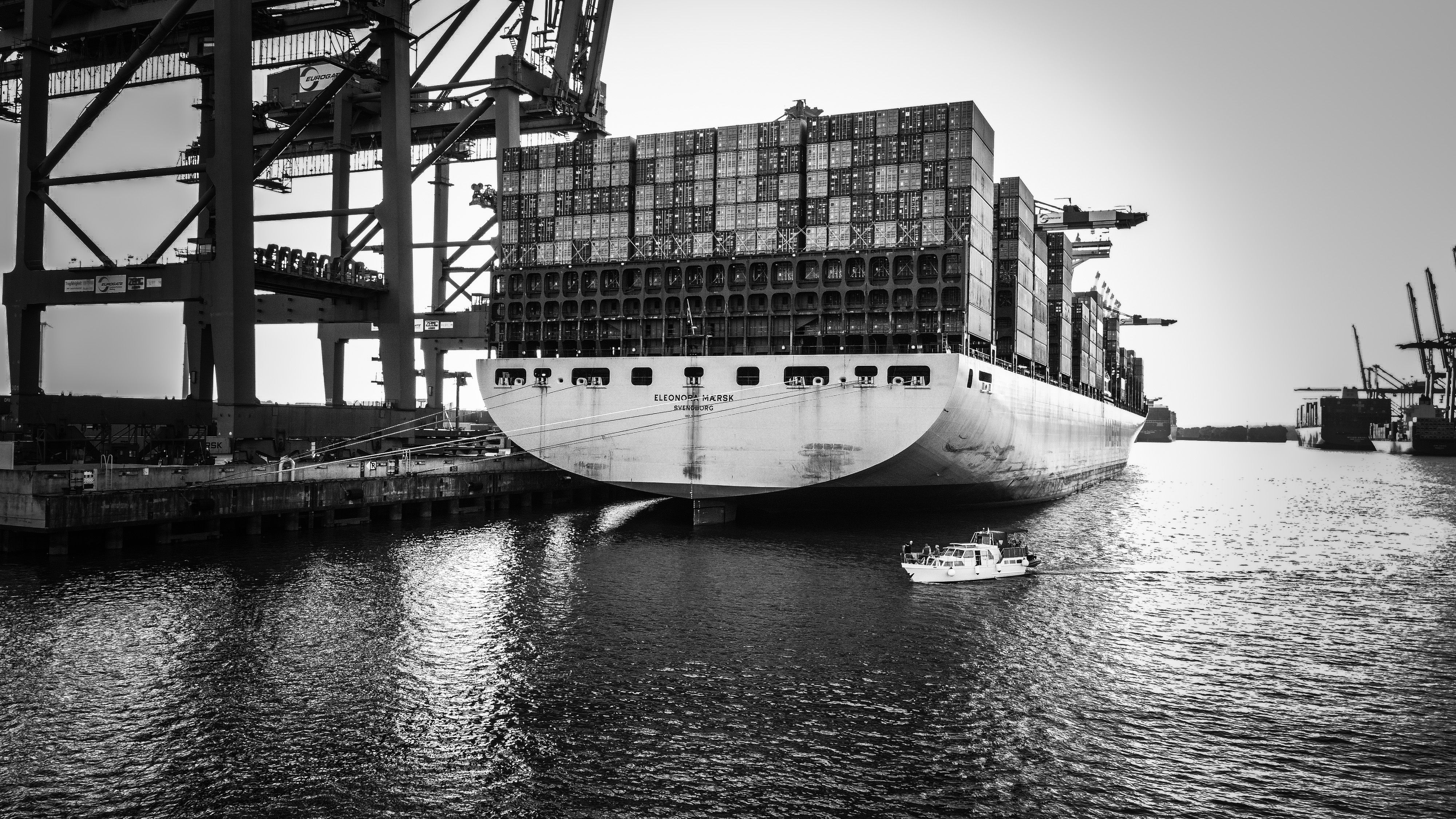
- Control the documentation. Export paperwork, rules-of-origin compliance and freight coordination cause costly customs delays when mishandled. Completing documentation before goods reach the dock keeps the schedule intact.
- Keep a crisis playbook. Factory closures, geopolitical disruption and material shortages happen. A backup supplier network and a pre-agreed escalation plan turn a potential revenue loss into a manageable re-route.
Why orchestration beats a list of vendors
Managing each of these controls through a different vendor — one auditor, one QC firm, one freight forwarder, one lawyer — recreates the very fragmentation that causes risk. The gaps between providers are exactly where orders fall through.
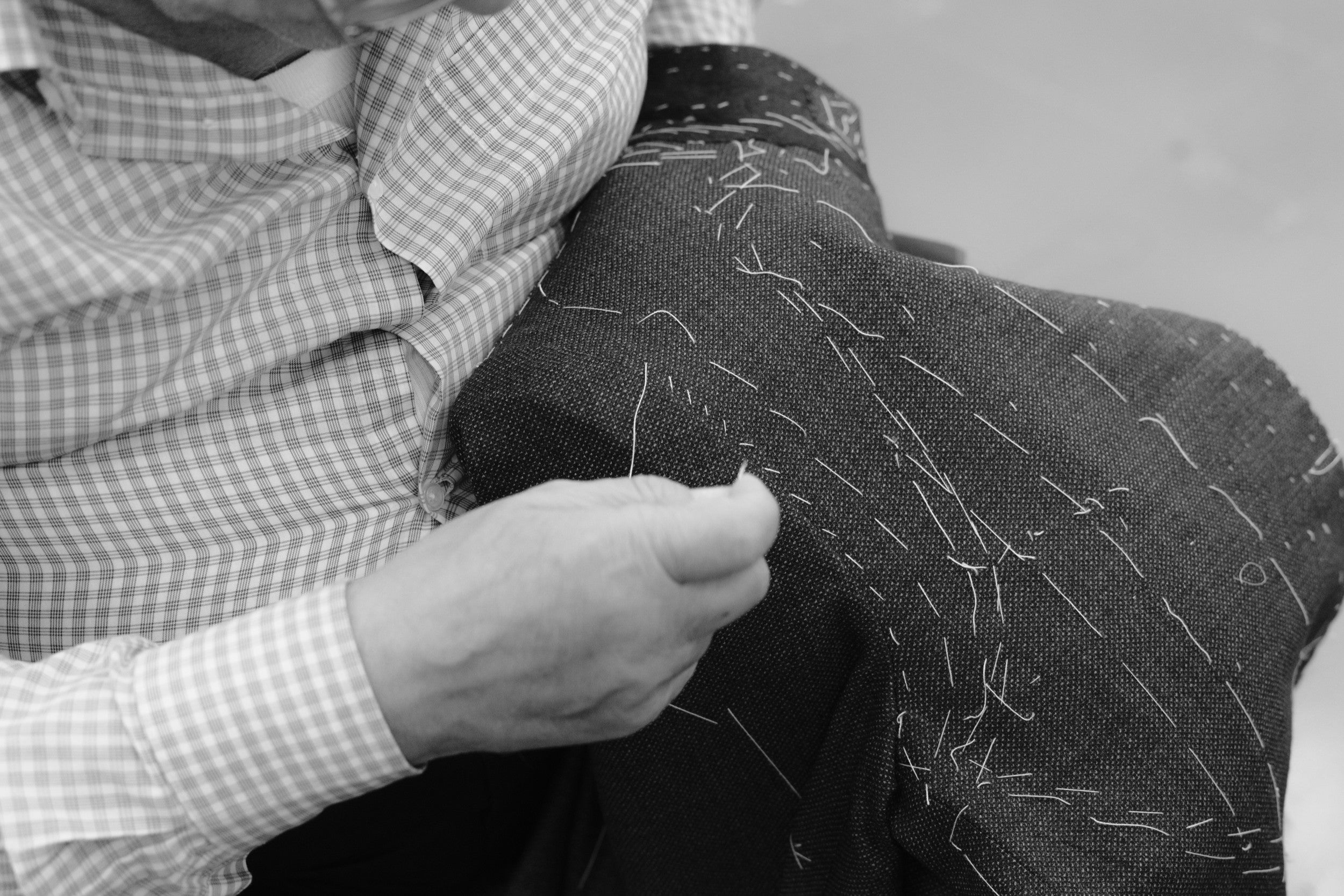
Orchestration means one partner holds the whole chain: selecting the right factory from a vetted network, running on-site quality control, handling the legal and banking mechanics, and coordinating logistics — with a single point of accountability. That is the model Pluribus Omnia operates. We work with a network of more than 100 vetted factories, our Italian technicians oversee production in person, and our in-house legal and banking teams keep contracts and payments moving.
If you are producing overseas and want a single accountable partner to de-risk the whole chain, make a production enquiry and we will map your requirements to the right factories.
Frequently asked questions
- What does an apparel sourcing agent actually do?
- A sourcing agent acts as your representative in the production country — vetting and selecting factories, managing quality control, translating specifications, handling documentation and logistics, and resolving issues on the ground so you are not managing a distant factory by email.
- How do I stop a factory subcontracting my order without permission?
- Map the subcontracting network during vetting, write approval requirements into your contract, and maintain on-site oversight so any unauthorised move is caught immediately. Physical presence on the factory floor is the only reliable deterrent.
- Is it cheaper to manage overseas apparel production myself?
- Direct management can appear cheaper until you account for defective bulk, missed deadlines, customs delays and disputes. For most mid-market brands, the cost of orchestration is lower than the cost of the failures it prevents.